Solutions for Aggregate, Sand, and Mineral Processing
Stone Crushers
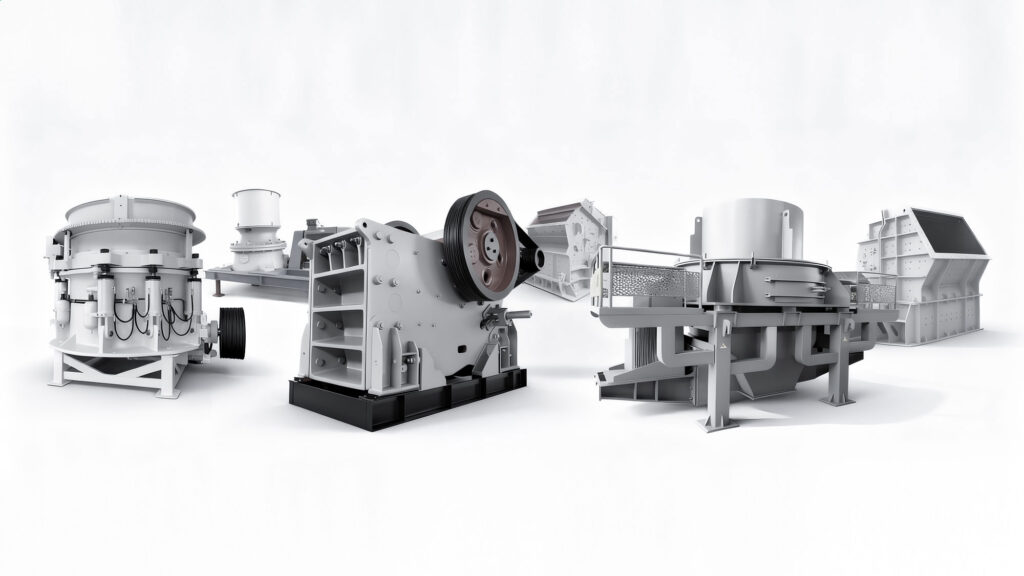
ZME’s crushing equipment—including Jaw, Cone, Impact, and Hammer Crushers, as well as Horizontal and Vertical Shaft Impact Crushers—covers every stage of reduction from coarse to fine. Our systems efficiently process large boulders while enhancing grain shape for superior product quality.
What is the Stone Crushing Process?
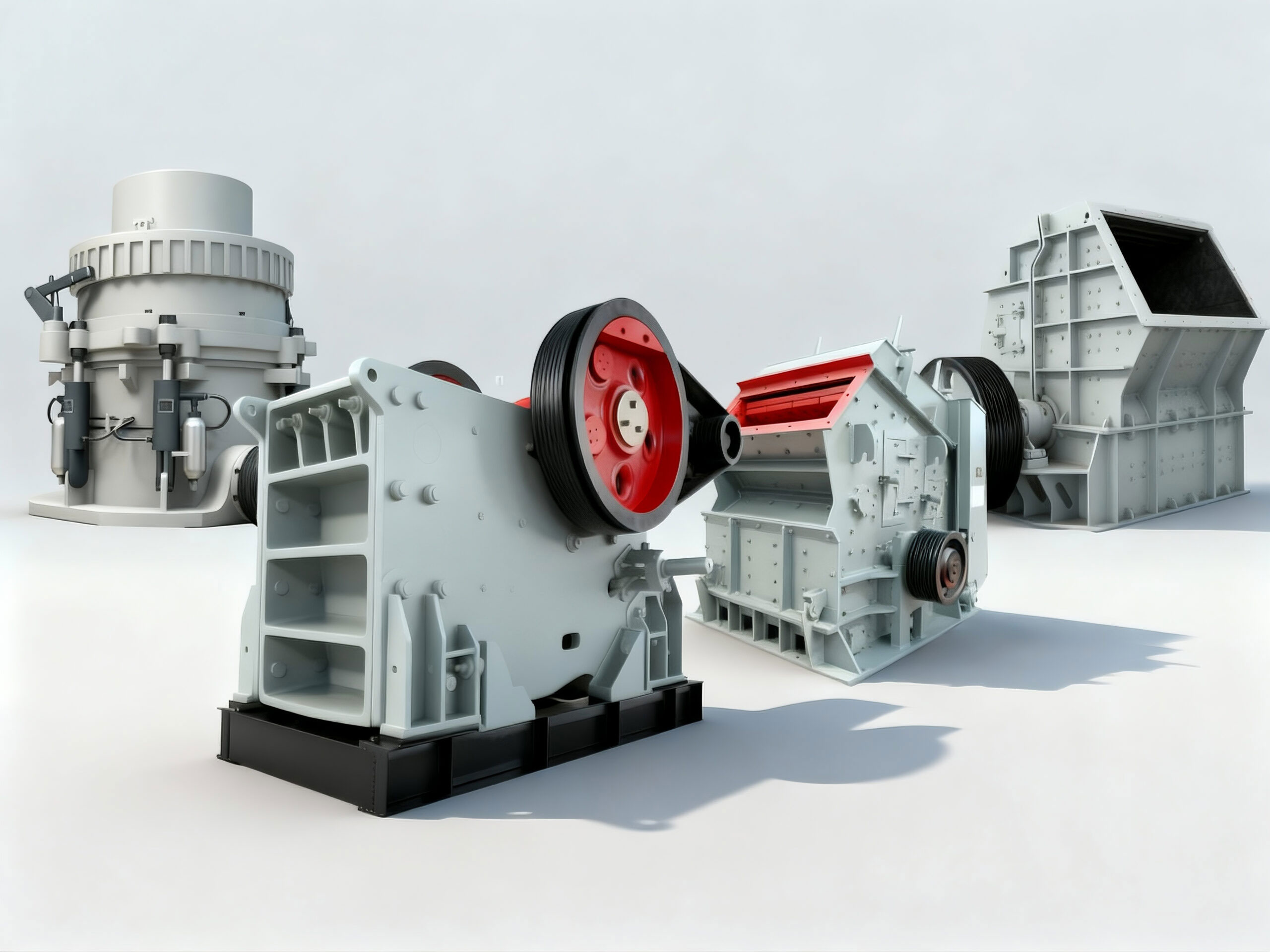
Stone crushing is the primary processing stage following mining activities. In this phase, crushers reduce mined rock in stages to produce construction aggregates or feed material for mineral processing. Based on the required final size and shape, this process typically utilizes a two-stage crushing system. However, for high-quality aggregates or industrial sand, three to four-stage systems are applied.
The process involves several phases: Primary Crushing reduces large boulders to manageable sizes (150–250 mm), followed by Secondary Crushing to further reduce material to 38–150 mm. To produce premium products such as concrete aggregate or road stone, Tertiary and Quaternary Crushing are employed to refine gradation and grain shape (producing uniform material with final sizes of 6–38 mm).
Mechanically, rock crushing involves five key principles: compression, splitting, fracture, grinding, and impact. Common configurations at mining sites include: Jaw Crushers (compression), Cone Crushers (compression & fracture), and Impact Crushers (impact).
What is
Stone Crusher?
A stone crusher is industrial equipment that applies mechanical force to rocks or minerals through compression, impact, fracture, or grinding to reduce them into various aggregate sizes. It is the core equipment in mining and quarry production lines.
Through staged crushing, ZME’s range of crushers can handle boulders exceeding 1.5 meters in diameter. In tertiary or quaternary stages, material is processed down to 20–150 mm or finer.
Note: Between each crushing stage, material is classified by size using mining vibrating screens, and is transported via Vibrating Grizzly Feeders (VGF) or mining conveyor belts.
How Does It Work?
Stone crushers break down rocks or ores into desired particle sizes using mechanical force, a process that encompasses Compression, Impact, Fracture, Splitting, and Grinding. By applying these physical principles, the equipment effectively reduces raw materials into precise aggregate dimensions required for various industrial applications.
In practice, compression force is applied through components such as jaws, cones, or rollers, while impact force is generated by hammers, rotors, or blow bars. Meanwhile, fracture and splitting mechanisms trigger internal cracks within the rock structure, and grinding produces fine particles through friction between the crusher’s working surfaces to ensure optimal material reduction.
At mining sites or aggregate plants, the common types of crushers and their operating principles include:
Jaw Crusher (Compression): Squeezes large boulders into smaller fragments.
Cone Crusher (Compression + Fracture): Crushes hard rock into more uniform particle sizes.
Impact Crusher (Impact): Crushes rocks with medium-to-low hardness or for sand production.
Roll Crusher (Compression + Light Grinding): Suitable for medium-hard rocks, producing highly uniform grains.
Hammer Crusher (Impact + Grinding): Effective for producing fine particles or manufactured sand.
Through an integrated multi-stage process, large rock boulders are efficiently processed into high-quality aggregates with uniform sizes that meet global construction standards and precise sand production specifications.
ZME Stone Crushers
ZME stone crushers cover applications ranging from primary to quaternary stages at mining and quarry sites. Jaw Crushers are utilized for initial coarse (primary) crushing, while Cone Crushers, Impact Crushers, and Hammer Crushers serve as effective solutions for the second (secondary) stage. Furthermore, Horizontal Shaft Impact Crushers (HSI) and Vertical Shaft Impact Crushers (VSI) / sand-making equipment are employed for the third and fourth (tertiary & quaternary) stages, efficiently processing materials while refining the grain shape for superior cubicity.
Jaw Crusher
Primary Equipment for First-Stage Coarse Crushing
Jaw Crusher
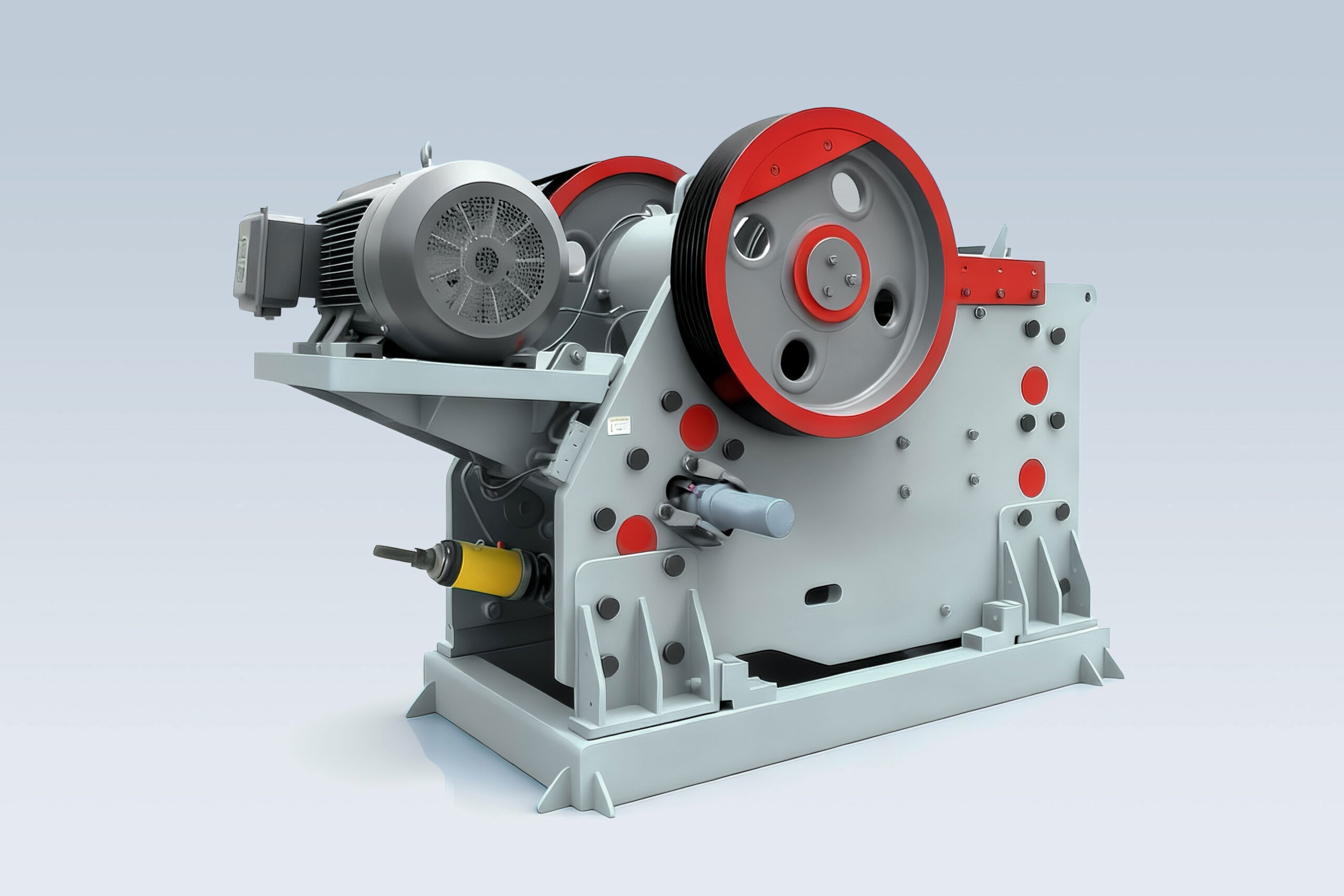
The Jaw Crusher operates on the principle of compression between a fixed jaw and a swing jaw. It is specifically engineered for the primary crushing stage to efficiently handle large boulders with high hardness levels.
Cone Crusher
Efficient Solution for Secondary and Tertiary Crushing
Cone Crusher
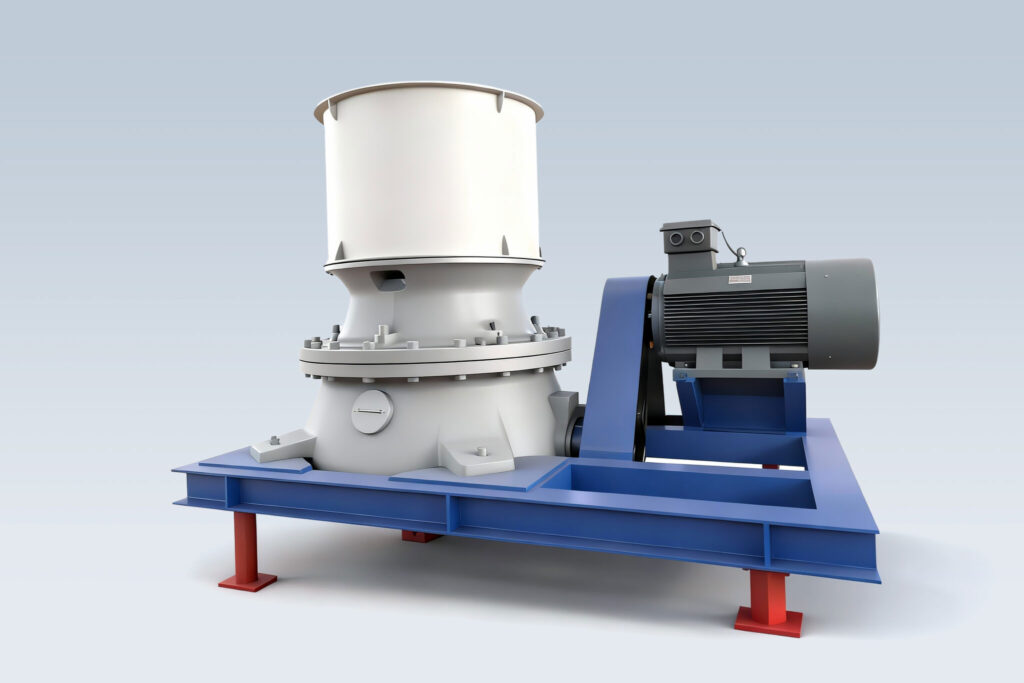
The Cone Crusher operates on the principles of compression and fracture between a moving mantle and a stationary concave (bowl liner). It is highly reliable in secondary and tertiary crushing stages for producing uniform product sizes and consistent gradation.
HSI Impact Crusher
Superior Solution for Secondary and Tertiary Crushing (Horizontal Shaft Impact)
HSI Impact Crusher
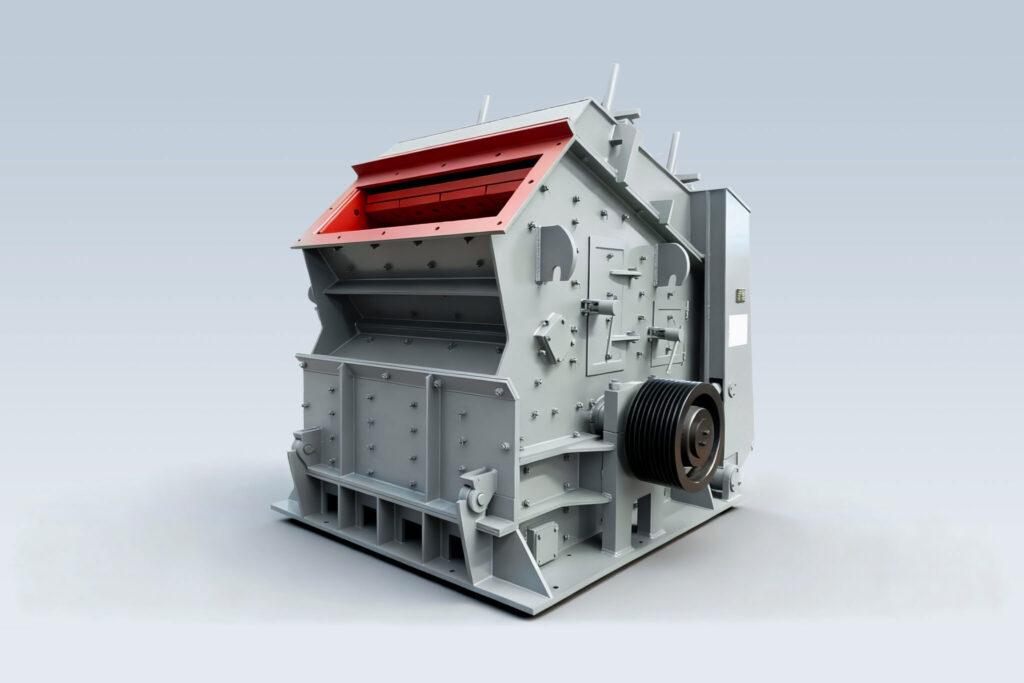
The Horizontal Shaft Impact Crusher (HSI) works on the principle of impact using a high-speed rotor and blow bars. It is designed for secondary or tertiary stages to produce materials with a more cubical shape and high quality, making it ideal for rocks with low-to-medium hardness.
VSI Crusher
Specialized for Tertiary and Quaternary Crushing
VSI Crusher
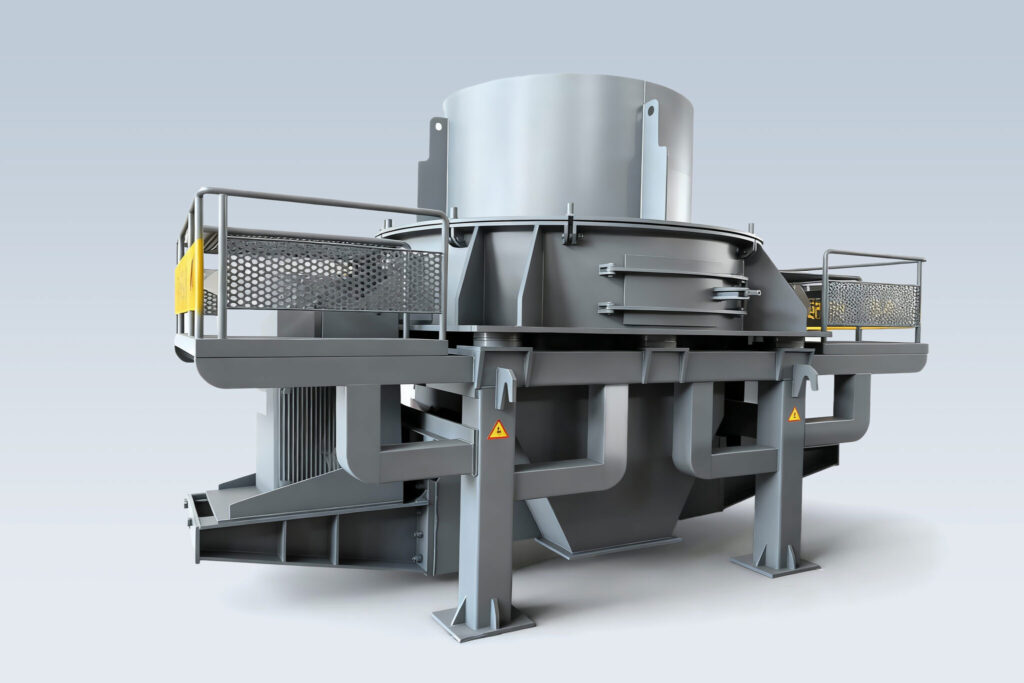
The Vertical Shaft Impact Crusher (VSI) operates through impact and attrition, utilizing either stone-on-stone or stone-on-metal methods. It is the premier choice for tertiary and quaternary stages to produce high-quality sand and refine aggregate shapes to meet strict technical specifications.
Hammer Crusher
Efficient Secondary Crushing Solution
Hammer Crusher
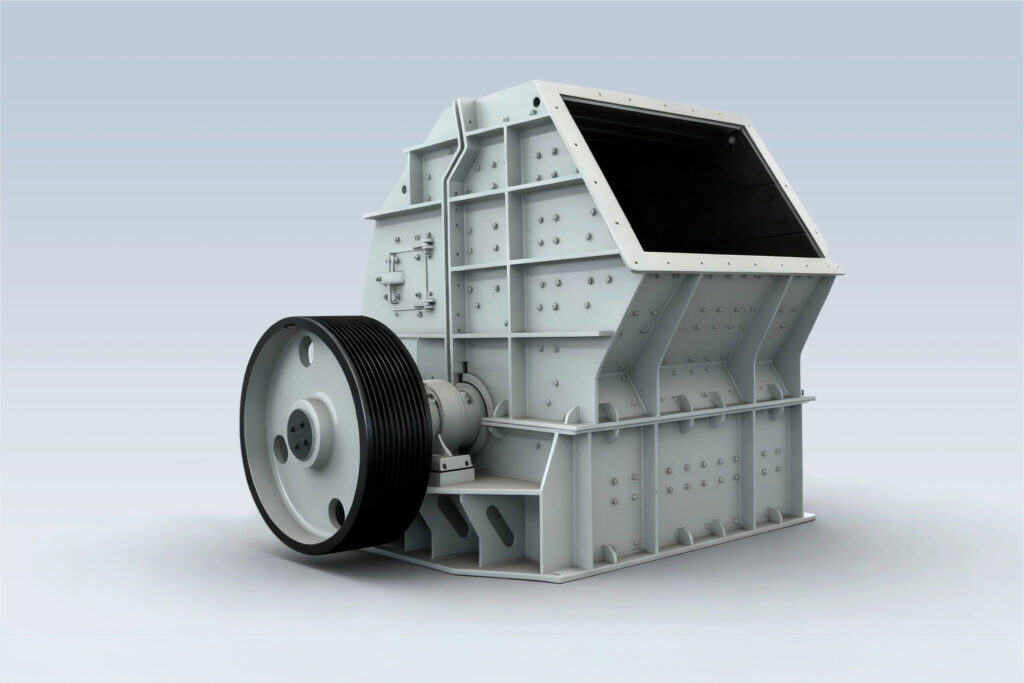
The Hammer Crusher works on the principle of impact and grinding using fast-rotating steel hammers to break down medium-sized rocks. It is an exceptionally efficient choice for the secondary crushing stage, particularly for producing finer particles or manufactured sand with competitive operational costs.
Ask An ZME Expert
FAQ
What is the Best Stone Crusher for Heavy-Duty Mining?
Solutions for Heavy-Duty Mining: The best crusher for heavy-duty mining is not just about motor power; it is about the machine’s durability in continuously handling hard rock under extreme conditions. Below are ZME’s equipment selection standards:
Jaw Crusher (Primary Stage – Heavy Duty): This is the “workhorse” of the mine site and the primary choice for crushing large ore boulders (up to 1,500 mm) into smaller sizes. ZME Jaw Crushers are engineered with reinforced frames to absorb high vibrations when processing rocks with high compressive strength.
Cone Crusher / Impact Crusher (Secondary Stage): These are utilized to meet strict project technical specifications.
ZME Insight: For highly abrasive mining rock, a Cone Crusher is the best choice due to its lower maintenance cost per ton. Meanwhile, an Impact Crusher excels in producing a perfect cubical grain shape.
Why Choose ZME Heavy-Duty Crushers?
High Efficiency & Large Capacity: The optimized crushing cavity design ensures maximum daily capacity with low energy consumption per ton.
Low Downtime (High Availability): We understand that in mining, “time is money.” ZME components are designed for quick maintenance access, significantly minimizing operational downtime.
Premium Abrasion-Resistant Materials: High-quality alloy metals are used for the jaw plates and mantles, offering extreme resistance to sharp and hard mining rocks, thereby extending the replacement intervals for spare parts.
What is the best type of crusher for heavy-duty mining?
The best crusher for heavy-duty mining is not just about motor power, but about the machine’s durability in handling hard rock continuously under extreme conditions. ZME’s selection standards include:
- Jaw Crusher (Primary Stage – Heavy Duty): The “workhorse” of the mine. It is the top choice for breaking large ore boulders (up to 1500mm) into smaller sizes. ZME Jaw Crushers are designed with reinforced frames to absorb high vibrations when processing rocks with high compressive strength.
- Cone Crusher / Impact Crusher (Secondary Stage): Used to achieve strict project technical specifications.
- ZME Insight: For highly abrasive mining rocks, a Cone Crusher is the best choice due to its lower maintenance cost per ton. Meanwhile, an Impact Crusher excels at producing a perfect cubical grain shape.
How do I choose the right crusher for a mine or quarry site?
Choosing the right crusher is vital for the operational efficiency of the ZME mining circuit. Follow these industry standards:
- Operational Efficiency & Spare Parts: Consider the availability of wear parts and ease of maintenance to minimize downtime. Reliable crusher is the key to uninterrupted mining success.
- Material Characteristics & Hardness: For hard and abrasive mining rocks (such as andesite or granite), use a Jaw Crusher at the primary stage. For medium hardness, an Impact Crusher can be used to achieve better cubicity.
- Feed & Output Size (Gradation): Ensure the crusher can handle the maximum feed size from mine blasting and produce final sizes (e.g., 0-5mm, 10-20mm) that match aggregate market demand.
- Target Production Capacity: Use a multi-stage system (Primary, Secondary, to Tertiary) for large-scale quarries to ensure consistent capacity and reduce the workload on individual crushers.
| Key Feature | Jaw Crusher | Cone Crusher | Impact Crusher |
| Stage Function | Primary (Stage 1) | Secondary / Tertiary | Secondary / Tertiary |
| Rock Characteristics | Large & Very Hard | Hard & Medium | Medium & Friable (Limestone) |
| Working Principle | Compression | Compression & Rotation | Impact |
| Final Result | Coarse (Large Size) | Uniform & Cubical | Highly Cubical / Fine |
| Main Application | Ore Mining & Quarrying | Aggregate Production | Concrete Sand & Aggregate |
What maintenance practices are essential for crushers at mining and quarry sites?
Maintenance in the mining sector is about a “Zero Downtime” strategy rather than just fixing what is broken. ZME’s field-proven practices include:
- Tonnage-Based Wear Monitoring: Monitor wear based on processed tonnage ratios rather than just time. In abrasive mines, early replacement is cheaper than sudden housing damage.
- Lubrication Management in High-Dust Environments: Mining dust is the enemy of bearings. Use heavy industrial lubricants and ensure sealing systems are 100% functional.
- Visual Obstruction Checks: Ensure no “tramp iron” (remnants from blasting or heavy equipment) is stuck in the crushing chamber to prevent fatal damage to the main shaft.
- Real-Time Vibration and Temperature Analysis: Monitor bearing temperatures and vibration patterns intensively to detect mechanical failures before total breakdown occurs.
- Bolt & Rivet Audits: High vibrations in quarries can loosen structural components. Regular retightening is key to long-term durability.
How do I safely operate a Jaw Crusher in a mining area?
Operational safety is a priority to protect workers and machine integrity. ZME’s standard procedures include:
- LOTO Procedures: Use Lock-Out Tag-Out (LOTO) during repairs to ensure the machine cannot be accidentally started.
- Pre-Start Check: Ensure the crushing chamber is completely empty and check V-belt tension before starting.
- Feeding Control: Never exceed the maximum feed size to prevent “bridging” (blockages), which forces dangerous manual clearing.
- Proper Start-Up & Shut-Down: Always allow the crusher to reach full speed before feeding material. Ensure the chamber is empty before stopping.
- Safe Zones & PPE: Operators must stay on safe platforms and avoid looking directly into the chamber. Flyrock hazards are real during primary crushing.